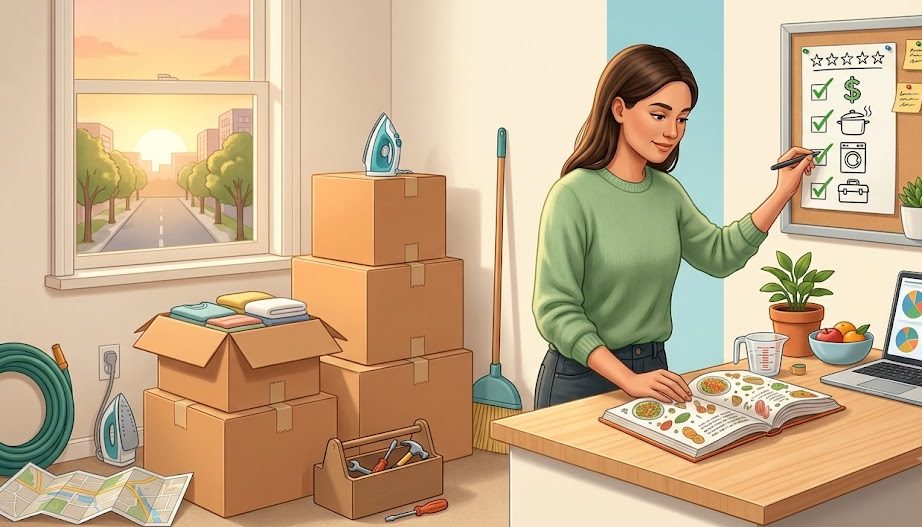
Living independently is easier when everyday responsibilities stop feeling unfamiliar.
From managing money and preparing meals to cleaning, handling basic problems, and organizing appointments, a few practical skills can make the move into your own place more comfortable and manageable.
Living on your own can be an exciting milestone. You have more control over your schedule, your surroundings, your meals, your spending, and the way you organize your day. At the same time, independence means becoming responsible for many small decisions that someone else may previously have handled.
You do not need to know everything before moving out. Most people learn through experience. However, learning a few fundamental life skills in advance can prevent unnecessary stress during the adjustment period. Knowing how to cook a simple meal, pay bills on time, clean your home, manage basic household supplies, and respond to everyday problems gives you a stronger foundation.
The most useful preparation is practical rather than complicated. You do not need an advanced financial system or a perfect household routine. You simply need enough knowledge to handle ordinary responsibilities without feeling completely lost.
Learn to Manage Your Everyday Money
Money management is one of the most important skills to develop before living independently. Your expenses may include rent or housing costs, utilities, groceries, transportation, insurance, subscriptions, household supplies, and unexpected purchases.
You do not need a complicated budgeting system. Start by understanding how much money comes in and where it generally goes. Knowing your regular expenses makes it easier to decide what you can comfortably spend on flexible purchases.
Know what money you can realistically expect to receive.
Identify recurring expenses that must be paid regularly.
Leave room for food, entertainment, transport, and other changing costs.
Set aside an amount that fits your situation for future needs.
Simple meals can save money and make daily life easier.
Know How to Feed Yourself Without Depending on Takeout
You do not need to become an expert cook before moving out. A much more useful goal is learning several reliable meals that you can prepare with basic ingredients and equipment.
Start with practical skills such as boiling pasta or rice, cooking eggs, preparing vegetables, using an oven safely, handling raw ingredients properly, and storing leftovers. Learn a few meals that are inexpensive, filling, and easy to repeat.
Choose meals you genuinely enjoy and can prepare without complicated techniques.
Keep a small selection of versatile staples that work across multiple meals.
Understand how to refrigerate, freeze, label, and organize leftovers appropriately.
Learn safe knife handling, appliance use, cleaning, and food preparation practices.
Build a Basic Cleaning Routine
Cleaning becomes much easier when you treat it as regular maintenance rather than waiting until the entire home needs attention.
Daily basics
Put items back where they belong, wash dishes, manage obvious clutter, and keep frequently used areas reasonably tidy.
Weekly tasks
Vacuum or sweep floors, clean bathrooms, change bedding, wipe surfaces, and review household supplies.
Occasional tasks
Clean less frequently used areas, inspect appliances, organize storage, and deal with maintenance issues.
Know when to fix, when to ask, and when to call a professional.
Learn a Few Basic Household Troubleshooting Skills
Living independently does not mean becoming an electrician, plumber, or technician. It does help to know how to handle simple situations safely and recognize when professional help is necessary.
Learn where your important switches and shutoff points are, how to reset a tripped breaker if appropriate for your home, how to replace common household items safely, and how to identify obvious problems that should not be ignored.
Understand Bills, Payments, and Household Administration
Independent living comes with paperwork and recurring responsibilities. Bills should not be something you remember only when a reminder arrives. Create a simple system for knowing what needs to be paid, when it is due, and whether a payment has been completed.
| Category | Useful habit |
|---|---|
| Housing | Know payment dates and keep important housing documents organized. |
| Utilities | Understand which services are active and when their payments are due. |
| Subscriptions | Review recurring services regularly so unused subscriptions do not accumulate. |
| Documents | Keep important records in a secure, organized location that you can access when needed. |
Learn How to Plan Your Time Around Real Responsibilities
When you live with family or roommates, some routines may happen automatically. Living independently means you need to remember appointments, grocery shopping, laundry, cleaning, work or study responsibilities, and other commitments yourself.
A basic weekly planning habit can prevent small responsibilities from becoming overwhelming. At the beginning of each week, look at your schedule and identify anything that needs preparation.
Check the week
Look at appointments, work, errands, deadlines, and other commitments.
Handle essentials
Think ahead about meals, laundry, shopping, transportation, and household needs.
Create realistic blocks
Give important responsibilities a place in your week rather than relying entirely on memory.
Leave flexibility
Unexpected tasks happen, so avoid filling every available hour.
Know How to Prepare for Everyday Emergencies
Living alone or independently makes basic emergency preparation especially valuable. You should know how to contact appropriate emergency services, where basic safety equipment is located, and who you can contact when something goes wrong.
Keep important local emergency numbers and trusted contacts accessible.
Maintain reasonable supplies such as a flashlight, batteries, first-aid basics, and other appropriate household essentials.
Understand exits, important switches, building procedures, and where essential equipment is located.
Independence does not mean refusing assistance. Know when a problem requires a landlord, technician, professional, or trusted person.
Learn How to Shop for a Home, Not Just for Yourself
Shopping for your own household is different from buying personal items. You need to think about what the home actually consumes. Cleaning products, toiletries, laundry supplies, kitchen staples, light bulbs, batteries, trash bags, and other basic items can run out at inconvenient times.
Before shopping, check what you already have. Keep a short household list and add items when they are nearly finished rather than waiting until they are completely gone.
Staple foods, storage items, cleaning supplies, and everyday cooking essentials.
Personal-care items, cleaning products, paper goods, and replacement supplies.
Detergent, basic cleaning tools, trash supplies, and products appropriate for your home.
A Simple Skills Check Before You Move
You do not need to master every skill perfectly. Use this checklist to identify areas where a little practice could make your transition easier.
Independence Is Built Through Small, Repeatable Habits
Living on your own can seem like one large responsibility, but most of it is actually made up of ordinary tasks. You pay a bill, prepare dinner, wash clothes, clean a room, buy groceries, organize a schedule, and deal with problems as they appear.
The important thing is not knowing every answer before you move. It is becoming comfortable with taking responsibility for the next step. If something breaks, find out who should handle it. If money feels tight, review your spending. If your home becomes cluttered, reset it before the mess grows. If you do not know how to do something, learn it rather than avoiding it.
Start practicing these skills before you live independently whenever possible. Cook a few meals, manage a small personal budget, do your own laundry, clean your space, keep track of appointments, and learn how household responsibilities are handled.
The goal of independent living is not perfection. It is confidence that you can handle ordinary responsibilities, learn from mistakes, and ask for help when you genuinely need it.
With a few practical skills and consistent routines, living on your own can become less about worrying whether you are prepared and more about enjoying the freedom that comes with managing your own space and daily life.