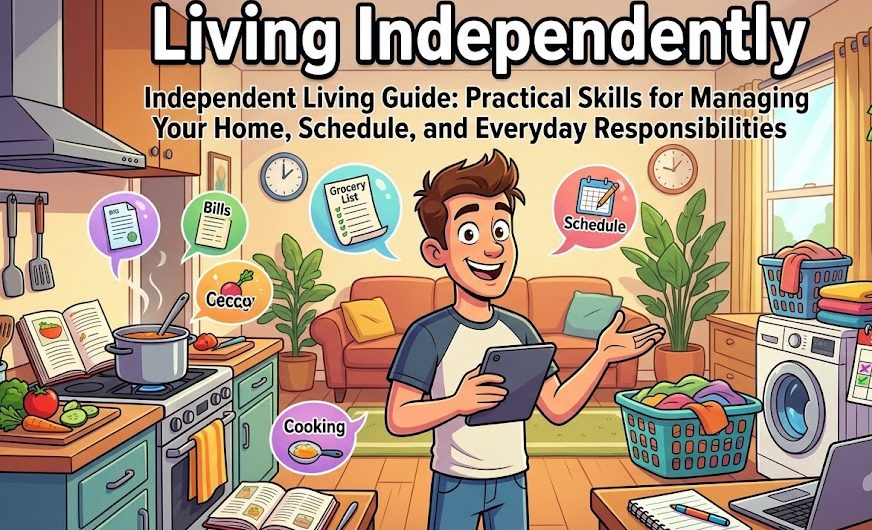
Building a Comfortable, Organized, and Responsible Independent Life
Living independently means learning how to manage your home, time, money, routines, responsibilities, and everyday decisions with greater confidence. This practical guide explains the skills that can make independent living simpler, more organized, and easier to maintain over time.
Living independently is a major step in personal development. It can provide greater freedom and control over everyday decisions, but it also comes with responsibilities that may have previously been shared with family, roommates, or other people. Managing a home means remembering appointments, preparing food, keeping spaces clean, paying bills, planning purchases, maintaining household supplies, and making time for work, education, rest, and personal activities. The good news is that independent living does not require perfection. It becomes easier when everyday responsibilities are organized into simple routines. The goal is to create a system that works consistently rather than trying to manage everything from memory. With practical habits, basic planning, and regular maintenance, independent living can become comfortable and rewarding.
Understand the Main Responsibilities of Independent Living
A successful independent household is built around several connected areas. Learning how they work together makes everyday management much easier.
Home Management
Your home becomes your responsibility when you live independently. This means understanding how to maintain rooms, organize belongings, monitor household supplies, handle minor problems, and keep the environment comfortable. A useful approach is to avoid allowing small tasks to become large projects. Cleaning a surface regularly is easier than dealing with months of accumulated clutter. Similarly, checking household equipment periodically can help you notice problems before they become more disruptive. Create simple routines for cleaning, maintenance, laundry, shopping, and organizing. Once these tasks become familiar habits, they require less mental effort.
Time Management
Independent living requires you to decide how your time is used. A basic schedule can prevent work, household tasks, appointments, and personal time from competing with each other.
Money Management
Understanding regular expenses, planning purchases, and tracking spending can help you maintain control over your household finances.
Food Planning
Planning meals and groceries reduces last-minute decisions and can make cooking more manageable during busy weeks.
Personal Organization
Documents, appointments, passwords, schedules, household records, and other information should have a predictable place and system.
Create a Home That Is Easy to Maintain
A well-managed home does not need to look perfect every day. The goal is to create systems that reduce unnecessary work and make important tasks easier to remember.
Cleaning
Divide cleaning into smaller recurring tasks instead of waiting for the entire home to become difficult to manage.
Laundry
Choose regular laundry days and avoid allowing clothing to accumulate into a large weekend project.
Supplies
Keep track of frequently used household items and replace them before they completely run out.
Maintenance
Check appliances, fixtures, lights, plumbing, and other household systems regularly for signs of problems.
Build a Routine That Supports Your Schedule
A flexible routine can reduce decision fatigue and help you stay consistent without making every day feel overly structured.
Use Anchors Instead of Planning Every Minute
You do not need to schedule every moment of the day. Instead, create a few dependable anchors such as a consistent wake-up period, work or study hours, meal times, household maintenance, and a regular bedtime.
Around these anchors, leave enough flexibility for unexpected tasks, appointments, social activities, and changes in your schedule. This approach provides structure without creating unnecessary pressure.
Prepare for the Day
Get ready, review your schedule, organize essential items, and identify the most important tasks for the day.
Work or Study Focus
Protect focused time for employment, education, projects, or other responsibilities that require concentration.
Household Reset
Spend a short period putting things away, preparing for tomorrow, and handling small household tasks.
Review and Recharge
Check tomorrow’s commitments, finish essential preparation, and give yourself enough time to rest.
Manage Household Money With a Simple System
Know Your Fixed Costs
Identify recurring expenses such as housing, utilities, subscriptions, transportation, communication services, and other regular commitments. Knowing these costs gives you a clearer picture of your monthly obligations.
Plan Variable Spending
Groceries, entertainment, clothing, household purchases, and unexpected expenses can change from month to month. Leaving room for these categories makes a budget more realistic.
Create a Buffer
Unexpected expenses can happen even when everything is carefully planned. Building a financial buffer can make repairs, replacements, or sudden costs easier to handle.
Make Food Planning Easier
Food is one of the most frequent household responsibilities, but it does not need to become complicated. A simple system based on planning, shopping, preparation, and storage can make meals more predictable.
Plan Ahead
Decide on several meals before shopping so you can purchase ingredients with a purpose instead of buying randomly.
Keep Basics Available
Maintain a practical supply of commonly used ingredients so you always have options for simple meals.
Reduce Waste
Check what you already have before shopping and use older ingredients before purchasing more.
Learn Simple Meals
A small collection of reliable meals can make independent cooking much easier during busy days.
Turn Cleaning Into a Manageable Routine
Cleaning becomes easier when it is distributed throughout the week. Instead of waiting for everything to become dirty, use short recurring sessions for different areas of your home.
Daily Reset
Put frequently used items back in their places, clear important surfaces, and handle small messes before they accumulate.
Weekly Cleaning
Give more attention to floors, bathrooms, kitchen surfaces, bedding, and other areas that need regular maintenance.
Monthly Review
Check cupboards, storage spaces, household supplies, and less frequently cleaned areas.
Decluttering
Remove items you no longer use instead of allowing storage areas to gradually become overcrowded.
Organized Storage
Store similar items together so you can quickly find what you need without searching through multiple rooms.
Supplies
Keep basic cleaning products and tools together in a practical location where they are easy to access.
Handle Household Administration
Independent living includes many small administrative responsibilities that are easy to overlook until they become urgent.
Protect Your Personal Information
Organization also includes digital responsibility. Keeping accounts and important information secure is an important part of modern independent living.
Build a Personal Organization System
Organization is less about having a perfect planner and more about creating predictable places for information. Choose simple tools that you are actually willing to use consistently.
Calendar
Track appointments and important dates.
Tasks
Record things that need to be completed.
Budget
Monitor household spending.
Files
Keep important documents organized.
Notes
Capture useful information quickly.
Learn How to Handle Everyday Problems
Independent living does not mean knowing how to fix everything yourself. It means knowing how to respond calmly, identify the problem, and decide whether it can be handled personally or requires professional assistance.
Something Stops Working
Check the obvious causes first, such as power, settings, connections, supplies, or basic maintenance requirements. If the issue remains, seek appropriate professional help.
Unexpected Expense
Review the urgency, available funds, and possible solutions before making a rushed decision. Understanding your regular budget makes unexpected expenses easier to evaluate.
Schedule Becomes Overloaded
Identify what is genuinely important, move flexible tasks, and avoid treating every task as equally urgent.
Home Becomes Messy
Do not wait for a perfect free day. Start with the most visible or useful area and gradually restore order.
Running Out of Supplies
Add frequently used items to a recurring shopping reminder so you do not need to remember every household purchase manually.
Feeling Disorganized
Reset your basic systems. Review your calendar, tasks, finances, home, and upcoming commitments one area at a time.
A Practical First-Month Independent Living Plan
If you are new to independent living, avoid trying to perfect everything at once. Use the first month to establish basic systems and learn what works for you. Your routines can become more efficient as you gain experience.
Set Up the Home
Organize essential rooms, identify household responsibilities, and create a basic calendar and task system.
Build Daily Routines
Establish practical routines for meals, cleaning, laundry, work or study, shopping, and rest.
Review Money
Track actual spending and compare it with your expectations. Adjust your budget where necessary.
Improve the System
Identify tasks that are still difficult and redesign your routines to make them easier and more consistent.
Independent Living Gets Easier With Better Systems
Living independently is a gradual learning process. You do not need to know everything immediately, and you do not need to manage every responsibility perfectly. Start with the basics: maintain your home, protect your time, understand your finances, plan your food, organize important information, and create routines that fit your actual lifestyle. As these habits become familiar, everyday responsibilities require less effort and become easier to manage. The most useful goal is not to create a flawless household but to build a dependable system that helps you stay prepared, organized, and confident. With consistency and regular review, independent living can become less about constantly remembering what needs to be done and more about having simple systems that naturally guide your everyday life.