n
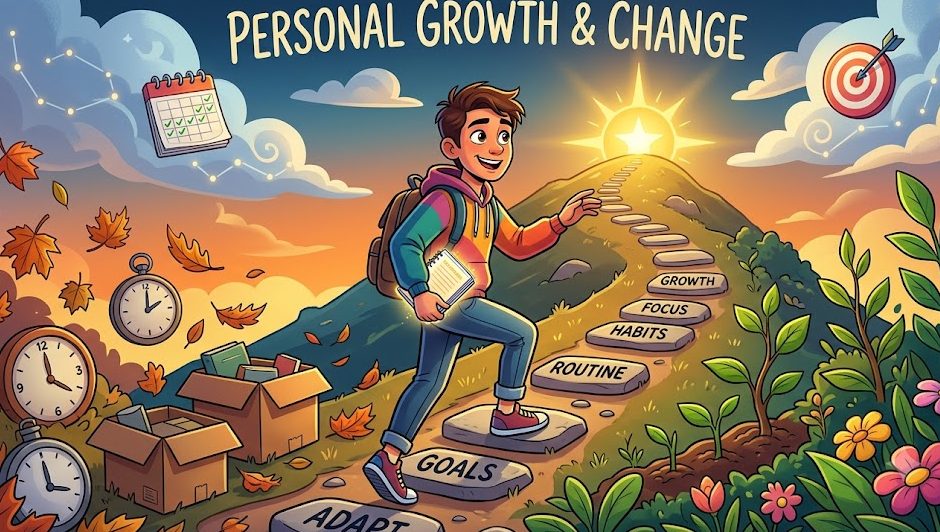
Life does not always follow a predictable plan. New responsibilities, changing priorities, career decisions, relationships, moving, education, or personal goals can all require you to adjust. Learning how to adapt, set realistic goals, and create new routines can make those transitions easier to manage.
Personal growth is an ongoing process of learning more about yourself, improving useful skills, changing unhelpful patterns, and becoming better prepared for the life you want to build. Major life changes can sometimes make this process more noticeable because familiar routines no longer work in the same way. A new job may change your schedule, moving may require different household habits, education may introduce new responsibilities, or a personal goal may require you to reorganize your time. These situations do not need to be treated as problems that must be solved immediately. They can also be opportunities to review how you spend your time, what you value, which habits support you, and what you would like to improve. The most useful approach is usually practical: understand the change, decide what matters, create small goals, build routines, and review your progress regularly.
Start by Understanding What Is Actually Changing
Before creating a new routine or setting goals, identify which parts of your life have changed and which areas can remain stable.
Accept That Adjustment Takes Time
When circumstances change, it is normal for old routines to feel less
effective. A schedule that worked during school may not work after starting
full-time employment. A routine that worked while living with family may
need to change when managing a home independently. Instead of expecting
yourself to immediately operate at your previous level of efficiency,
give yourself time to understand the new situation.
Start by observing what is different. Look at your schedule, responsibilities,
energy levels, environment, priorities, and available time. This creates a
more realistic foundation for planning. Adaptation is usually easier when
you stop trying to recreate the old routine exactly and begin designing one
that fits your current circumstances.
Separate Facts From Assumptions
During a transition, it is easy to assume that everything will become difficult. Instead, identify the actual responsibilities and challenges you need to handle.
Identify What You Control
Not every part of a life change is under your control. Focus your attention on decisions, habits, preparation, and actions that you can influence.
Keep Useful Stability
Not everything needs to change at once. Keeping familiar sleep, meal, exercise, planning, or household routines can provide useful structure.
Review Your Priorities
A new stage of life may require you to decide what deserves more attention and what can be reduced, delayed, or removed.
Build an Adaptation Mindset
Adaptation does not mean accepting every situation without thought. It means being willing to adjust your approach when circumstances change. A flexible mindset allows you to experiment with new routines and learn from what works instead of becoming frustrated when an old system stops working.
Observe
Notice what has changed before immediately trying to fix everything.
Adjust
Change your schedule, environment, or approach when your previous method no longer fits.
Experiment
Test smaller changes and see which routines make everyday responsibilities easier.
Continue
Give useful changes enough time to become familiar before judging their effectiveness.
Set Goals That Can Actually Guide Your Daily Actions
A useful goal should do more than sound motivating. It should help you decide what to do next.
Turn Large Goals Into Smaller Targets
Large goals can feel vague when they are not connected to specific actions.
Instead of only thinking about the final result, identify the smaller
improvements that would move you toward it.
For example, someone who wants to improve professionally might begin by
identifying one useful skill, studying it consistently, completing a
practical project, and then applying that knowledge. Someone who wants
a more organized life might start by creating a weekly planning habit
rather than attempting to reorganize everything in one weekend.
Smaller targets provide visible progress and make it easier to adjust your
approach when circumstances change.
Choose What You Want to Improve
Decide whether your current priority is career, education, finances, organization, health-related routines, relationships, creativity, or another area of personal development.
Define a Clear Outcome
Describe what successful progress would look like in practical terms instead of using a vague goal such as “be better.”
Choose Repeatable Behaviors
Identify actions you can realistically perform regularly and connect them to the result you want.
Measure and Adjust
Review your progress regularly and change the plan when your original approach is not producing useful results.
Build New Habits Without Overloading Your Schedule
One of the biggest mistakes in personal development is trying to introduce too many changes at once. A better approach is to start with a small number of behaviors and make them easier to repeat.
Start Small
A short daily action is often easier to maintain than an ambitious routine that requires major changes to your schedule.
Use Existing Routines
Attach a new behavior to something you already do regularly, such as planning after breakfast or reviewing tasks before finishing work.
Make It Convenient
Prepare the environment so the desired behavior requires fewer steps and less effort to begin.
Track Progress
Simple tracking can help you notice patterns and understand whether a routine is becoming consistent.
Expect Imperfection
Missing a day does not mean a routine has failed. Return to the behavior instead of abandoning the entire plan.
Review Regularly
A routine should evolve as your responsibilities and priorities change. Adjust it when necessary.
Create a Routine That Supports Your New Stage of Life
Your routine should provide structure while still leaving enough flexibility for unexpected events. Focus on important anchors instead of attempting to schedule every minute.
Start With Clarity
Review your priorities and prepare for the most important responsibilities of the day.
Protect Focus
Give meaningful work, study, or projects dedicated time without unnecessary interruptions.
Reset
Complete small household tasks, organize your environment, and prepare important items for tomorrow.
Review
Look at upcoming commitments, unfinished tasks, goals, and routines that may need adjustment.
Review Your Progress
Personal growth becomes easier to manage when you periodically stop and evaluate what is actually happening rather than relying only on motivation.
Protect Your Energy and Attention
Growth requires effort, but constant productivity is not the same as healthy progress. A sustainable plan needs enough space for rest and recovery.
A Practical Process for Handling Major Life Changes
When a significant change occurs, use a simple process rather than trying to solve every part of the transition simultaneously.
Understand
Identify what has actually changed.
Prioritize
Decide which areas require immediate attention.
Plan
Create small actions that fit your situation.
Practice
Repeat the new behaviors until they become familiar.
Adjust
Improve the system based on real experience.
Common Obstacles During Personal Growth
Progress can slow down for many reasons. Recognizing common obstacles can make it easier to respond to them without abandoning your overall direction.
Trying to Change Everything
Too many simultaneous goals can divide your attention. Focus on the few changes that matter most right now.
Expecting Immediate Results
New routines usually require repetition. Judge progress over a reasonable period instead of expecting instant transformation.
Comparing Your Timeline
Other people’s progress does not provide a reliable schedule for your own life. Focus on your circumstances and direction.
Depending Only on Motivation
Motivation can change from day to day. Systems, reminders, preparation, and routines can provide more dependable support.
Ignoring Small Progress
Small improvements can become meaningful when repeated. Notice the behaviors that are gradually becoming easier.
Refusing to Adjust
A plan that worked previously may stop working after circumstances change. Flexibility is part of effective personal development.
A Simple 30-Day Personal Growth Reset
A short reset can help you establish momentum without making your entire life revolve around self-improvement. Use the first month to understand your current routines, choose one meaningful goal, and create a practical system.
Observe
Review your current schedule, habits, responsibilities, environment, and the areas where you want improvement.
Choose
Select one major priority and define the smaller behaviors that can move you toward it.
Practice
Follow your new routine consistently while observing what makes it easier or harder to maintain.
Refine
Review the month, keep the useful parts, remove unnecessary steps, and prepare the next stage of your plan.
Growth Happens Through Small, Intentional Changes
Personal growth does not require completely reinventing your life overnight. Meaningful progress often comes from understanding your current situation, choosing a clear direction, improving one area at a time, and creating routines that make those improvements easier to repeat. Life changes will continue to happen, and your plans will sometimes need to change with them. That does not mean your progress has disappeared. It means your system needs to evolve. Focus on what you can control, keep your goals realistic, protect your time and energy, and review your progress regularly. With patience and consistency, small decisions can gradually create stronger habits, better organization, greater confidence, and a clearer direction for the next stage of your life.