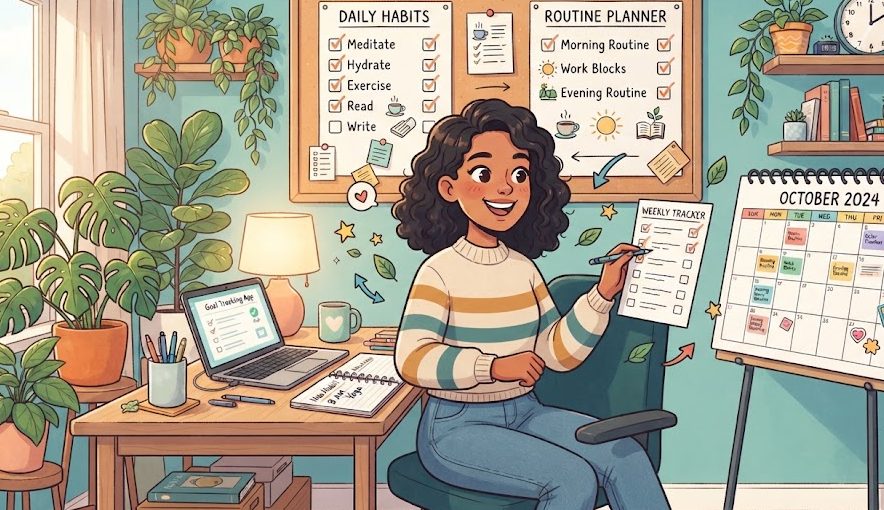
Lifestyle Changes: Simple Ways to Build New Habits and Create a More Organized Everyday Routine
Small lifestyle adjustments can make everyday responsibilities easier to manage. A practical approach to habits, planning, organization, and routines can help create a more structured and manageable daily life.
Start With Small Changes Instead of Rebuilding Everything
Making lifestyle changes can sound like a major project, especially when you want to improve several areas of everyday life at the same time. You may want to become more organized, manage your time better, keep your home in order, spend less time distracted by your phone, or create a more consistent daily schedule.
The problem is that trying to change everything immediately can make a new routine difficult to maintain. A more practical approach is to choose a few specific habits and gradually make them part of your normal day. Once a habit becomes familiar, another improvement can be added.
Choose changes that are simple enough to repeat without requiring a major adjustment to your entire lifestyle.
Repeating a manageable habit regularly is more useful than attempting an ambitious routine for only a few days.
Review what works and make small changes when your schedule, responsibilities, or priorities change.
Choose the Areas You Actually Want to Improve
Before creating a new routine, identify what is currently causing the most difficulty. Your lifestyle may not need a complete transformation. One or two specific problems may be responsible for most of the frustration in your daily schedule.
For example, you may regularly run late because mornings are unorganized, spend too much time searching for misplaced items, forget appointments, delay household tasks, or reach the end of the day without enough time for personal activities.
Identify a repeated problem.
Find what causes it.
Introduce one practical habit.
Make the new behavior familiar.
Build a Simple Morning Routine
The beginning of the day often influences how organized the rest of the day feels. A useful morning routine does not have to contain dozens of activities. It should simply help you move from sleep into your main responsibilities without unnecessary confusion.
Prepare frequently used items the night before, check your schedule, decide what needs attention first, and avoid filling the first part of the morning with unnecessary decisions. If possible, keep important everyday items in predictable locations so that you do not waste time looking for them.
Give yourself enough time to get ready without immediately creating pressure through last-minute decisions.
Look at appointments, work commitments, errands, and the most important tasks scheduled for the day.
Complete basic preparation and make sure you have what you need before starting work, study, or other responsibilities.
Move into the most important part of your day instead of allowing minor tasks to consume your available time.
Create a Practical Evening Reset
Evening habits can make the following morning easier. A short reset gives you an opportunity to organize your environment, review unfinished responsibilities, and prepare important items for the next day.
A 15-Minute Evening Reset
Spend a few minutes returning commonly used items to their normal places.
Check your schedule and identify anything that requires preparation before morning.
Prepare clothing, work materials, bags, documents, or other essentials when useful.
Write down unfinished tasks instead of carrying the entire list in your memory.
Finish with a short period away from unnecessary screens or work-related activity.
Use Habit Stacking to Make New Habits Easier
One useful way to introduce a new habit is to connect it with something you already do regularly. This creates a natural reminder because the existing activity becomes a signal for the new one.
Existing Habit
After preparing your morning drink, you could immediately check the day’s schedule. The existing routine provides a natural point at which to introduce the new behavior.
New Habit
After finishing work, you could spend a few minutes reviewing tomorrow’s priorities before switching fully into personal time.
The key is to keep the new habit simple. If the added activity requires a large amount of time or preparation, it may be difficult to maintain consistently.
Organize Your Time Around Priorities
Being busy does not necessarily mean being organized. A day can become filled with small activities while important responsibilities remain unfinished. Creating a short priority list can help you decide where your available time should go.
Choose a small number of important tasks for the day rather than creating an extremely long list. Additional tasks can be handled if time allows, but the most important responsibilities should already have a place in your schedule.
Tasks with deadlines, appointments, important work, or other immediate responsibilities.
Useful tasks that are important but can usually be moved if something urgent appears.
Optional activities that can be completed when there is enough time and energy.
Tasks that do not currently require attention and can remain on a longer-term list.
Make Your Home Support Your New Habits
Your environment can make certain behaviors easier or harder. If frequently used items are difficult to access, you may spend unnecessary time searching for them. If important documents are scattered across different locations, managing household responsibilities becomes more difficult.
Arrange your environment according to how you actually use it. Keep everyday items accessible, create consistent storage locations, and remove unnecessary clutter from areas that you use frequently.
Small environmental changes can reduce the number of decisions you need to make every day. When the convenient option is also the organized option, maintaining a routine becomes easier.
Make Good Habits Convenient
Instead of depending entirely on motivation, change your surroundings so the desired behavior requires less effort. Keep useful items visible, prepare things in advance, and create simple systems that naturally guide you toward the habits you want to maintain.
Reduce Digital Distractions
Phones, notifications, social media, streaming platforms, and other digital activities can easily interrupt a planned routine. You do not necessarily need to remove technology from your life, but you can decide when and how you want to use it.
Turn off unnecessary notifications, keep distracting applications away from your most important work periods, and create specific times for checking messages or social platforms. Even short periods of uninterrupted attention can make daily tasks easier to complete.
Digital organization can also help. Keep important files in clearly named folders, remove unnecessary downloads, and review applications that you rarely use. A cleaner digital environment can make everyday technology easier to manage.
Make Healthy Daily Choices Easier to Maintain
Lifestyle organization also involves basic choices around meals, movement, rest, and personal time. The goal is not to create an extreme routine. Instead, build practical habits that fit your normal schedule.
Prepare simple meals when possible, keep useful household supplies available, create regular opportunities for movement, and maintain a reasonably consistent sleep schedule. If a habit is difficult to maintain because it requires too much time, look for a simpler version rather than abandoning the idea completely.
Review Your Progress Without Expecting Perfection
New habits rarely become automatic immediately. Some days will be more organized than others, and unexpected events can interrupt even a well-planned routine. Missing a habit occasionally does not mean that the entire system has failed.
Instead of focusing only on whether you followed your routine perfectly, review what made the habit easier or harder. If a particular routine repeatedly fails, change the routine itself. Perhaps the timing is inconvenient, the task is too large, or there are too many steps involved.
Look at which habits were easy to maintain and which ones created problems.
Change routines when your work schedule, responsibilities, or priorities change.
Do not change a useful system simply because it is not complicated or impressive.
Common Mistakes When Building New Habits
Trying to introduce many new habits at once can make the entire routine difficult to maintain.
A routine should match your available time, responsibilities, and current lifestyle.
If your surroundings constantly create friction, relying only on motivation can become difficult.
A new behavior needs repeated practice before it feels like a normal part of your day.
Frequently Asked Questions
How many new habits should I start with?
Starting with one or two manageable habits can make the process easier. Once they become familiar, additional changes can be introduced gradually.
How long does it take to build a new routine?
There is no universal timeline. Different habits require different amounts of practice, and consistency, environment, complexity, and personal circumstances can all affect how quickly a behavior becomes familiar.
What should I do if I miss a habit for several days?
Simply return to the routine when you can. It can also be useful to consider why the habit was interrupted and whether the routine needs to be simplified.
Should I create a strict schedule?
A flexible schedule is often more practical than a rigid one. Keep important commitments and basic routines consistent while leaving enough space for unexpected responsibilities.
How can I make my routine easier to maintain?
Keep habits simple, prepare in advance, reduce unnecessary decisions, use reminders when helpful, and design your environment so that the habits you want are convenient to perform.
Build a Lifestyle That Works in Real Life
Creating a more organized lifestyle does not require changing everything overnight. The most useful improvements often come from small adjustments that reduce daily friction and make important responsibilities easier to manage.
Start by identifying one area that needs improvement. Create a simple habit, connect it to an existing part of your routine, and give yourself enough time to practice it. As the habit becomes familiar, you can gradually introduce another improvement.
A successful everyday routine should support your actual life rather than make every day feel like a strict checklist. Leave room for unexpected events, personal time, rest, and changes in priorities. With a practical system and consistent small improvements, lifestyle organization can become a natural part of everyday life.