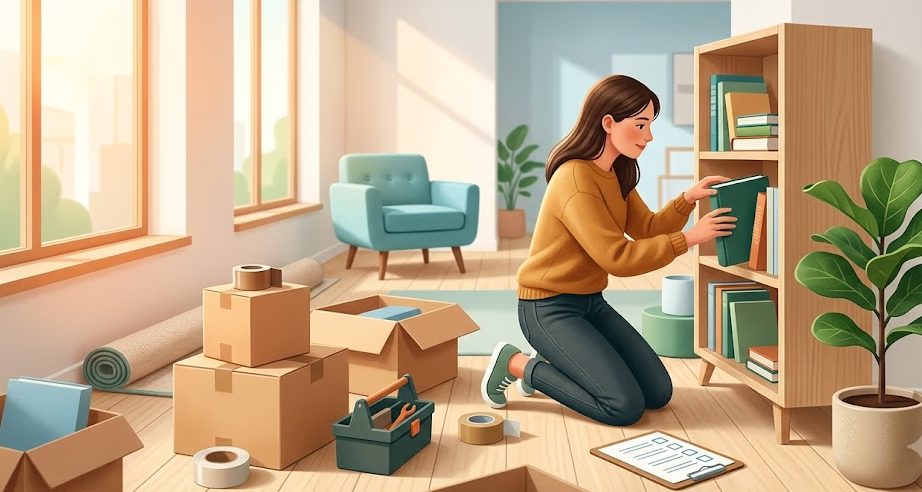
Your first home does not need to be perfect. It needs to work for the way you actually live.
Setting up a home becomes much easier when you focus on essential functions first, organize each space around daily habits, and add decorative details gradually.
Moving into your first home can be exciting, but it can also reveal just how many small things are required to make a space functional. A room may look complete when it is empty, yet everyday life quickly creates a different list of needs: somewhere to sleep, somewhere to prepare food, places to store belongings, cleaning supplies, lighting, basic tools, and comfortable areas for work or relaxation.
The easiest way to avoid overspending or becoming overwhelmed is to resist the temptation to buy everything at once. Instead, set up your home in stages. Start with the things that support basic daily living, then improve organization and comfort as you understand how you use each space.
Your first home is also an opportunity to learn what actually works for you. You may discover that you need more storage than expected, prefer a different furniture arrangement, or rarely use certain items you thought were essential. Leaving room for those discoveries can make the setup process more practical.
Set Up the Things You Need to Live Comfortably From Day One
Before thinking about artwork, decorative accessories, or advanced storage solutions, identify the items that make your home usable. These are the things you will notice immediately if they are missing.
A suitable bed or sleeping arrangement, bedding, pillows, and basic nighttime lighting.
Basic cookware, dishes, utensils, food storage, and a small collection of everyday ingredients.
Cleaning products and tools appropriate for your floors, bathroom, kitchen, and other surfaces.
Simple storage for clothing, personal belongings, documents, food, and frequently used items.
Think of these categories as the foundation of the home. If they are covered, you can comfortably live in the space while deciding what improvements are genuinely worthwhile.
Create a comfortable place to rest before adding extra furniture.
Make the Bedroom Comfortable Before Making It Decorative
The bedroom is one of the first spaces worth completing because good rest affects everything else you do. Start with the bed, appropriate bedding, practical lighting, and enough storage for everyday clothing and personal items.
Avoid filling the room simply because there is empty floor space. An uncluttered bedroom can be easier to maintain and more comfortable to use. Once you have lived there for a while, you will know whether a bedside table, additional storage, seating, or other furniture would actually improve the room.
Build a Small Kitchen That Supports Everyday Meals
A first kitchen does not need every possible gadget. Concentrate on versatile tools that can handle the meals you already know how to prepare.
Cooking basics
A few useful pots, pans, knives, utensils, cutting surfaces, and appropriate cooking tools.
Eating & serving
Enough plates, bowls, cups, glasses, and utensils for normal daily use.
Storage
Containers or other practical solutions for keeping ingredients and leftovers organized.
Create a Flexible Space Instead of Filling It Immediately
Your living area may need to perform several jobs. It could be a place to relax, watch something, read, work occasionally, meet friends, or simply spend time away from the bedroom.
Start with the activity you expect to do most often. A comfortable seat, suitable lighting, and a practical surface may be more useful than a large collection of furniture. Keep walking paths clear and avoid buying pieces that make the room difficult to move around.
Separate relaxation, work, entertainment, and storage areas when the room serves multiple purposes.
Empty floor area is not wasted space. It can make a smaller room feel easier to use.
Use practical lighting for reading, working, relaxing, and moving safely around the home.
Measure available space and consider movement around furniture before making large purchases.
Treat Storage as Part of the Setup, Not an Afterthought
Many homes become cluttered because belongings have no obvious place to return to.
Store frequently used items where they are easiest to reach, and keep rarely used items out of the way.
Keys, bags, shoes, and other items you use when leaving or returning.
Clothing, accessories, personal items, and laundry.
Cooking tools and ingredients based on how frequently you use them.
Important records kept securely and in a location you can remember.
Set Up the Invisible Systems That Keep the Home Running
A home feels organized when everyday tasks have somewhere to happen. Think beyond furniture and consider the small systems that prevent recurring problems.
| System | Simple setup | Why it helps |
|---|---|---|
| Laundry | Choose a collection spot and regular washing day. | Prevents clothing from becoming an unplanned weekend project. |
| Cleaning | Keep basic tools accessible. | Makes small cleaning jobs easier to start. |
| Trash | Know collection arrangements and keep appropriate bags available. | Avoids last-minute household problems. |
| Supplies | Keep a running list of items that are nearly finished. | Makes shopping more predictable and reduces forgotten essentials. |
Do Not Let the Excitement of a New Home Create Unnecessary Spending
It is easy to look at an empty home and feel that every room needs to be completed immediately. A staged approach can protect your budget.
Essential now
Items required for sleeping, cooking, hygiene, cleaning, safety, and basic daily activities.
Useful soon
Items that improve organization or convenience once you understand your normal routines.
Personal extras
Decorations, upgrades, specialty products, and other purchases that can wait until later.
Make the Home Feel Like Yours Gradually
Once the practical foundation is in place, you can begin adding personality.
Personal touches do not have to be expensive. A few carefully chosen items can make a home feel more welcoming without creating clutter.
Give yourself permission to change things. Your first arrangement does not have to become permanent. Living in the space will teach you what makes it comfortable.
A Practical First-Home Setup Checklist
Use this checklist during the first days and weeks rather than trying to complete everything in one shopping trip.
□ Sleeping setup
□ Bedding
□ Clothing storage
□ Laundry area
□ Basic personal-care supplies
□ Basic cookware
□ Dishes and utensils
□ Food storage
□ Everyday ingredients
□ Kitchen cleaning supplies
□ Cleaning tools
□ Trash supplies
□ Basic household tools
□ Light sources
□ Common replacement supplies
□ Important documents
□ Keys and entry items
□ Storage locations
□ Emergency contacts
□ Household shopping list
Let Your First Home Grow With You
Setting up your first home is not a project that has to be finished in a single weekend. A home becomes functional through a series of small decisions: choosing where things belong, learning which supplies you actually use, creating simple routines, and adjusting the space as your habits become clearer.
Start with the essentials. Make sure you can sleep comfortably, prepare basic meals, maintain cleanliness, store your belongings, and manage everyday household responsibilities. Then observe how you use each room before making additional purchases.
This approach can also help you avoid a common first-home mistake: buying things simply because the space looks empty. Empty space can be useful. Instead of trying to fill every corner, give each item a purpose and each frequently used category a sensible home.
The best first home is not the one that looks finished immediately. It is the one that gradually becomes easier, more comfortable, and more natural to live in.
Take the setup one room and one responsibility at a time. With a practical foundation, thoughtful storage, controlled spending, and a little patience, your first home can become a comfortable place that genuinely supports your everyday life.